The Genre Wardrobe


POST CARDS FROM THE MUSE

The Genre Wardrobe
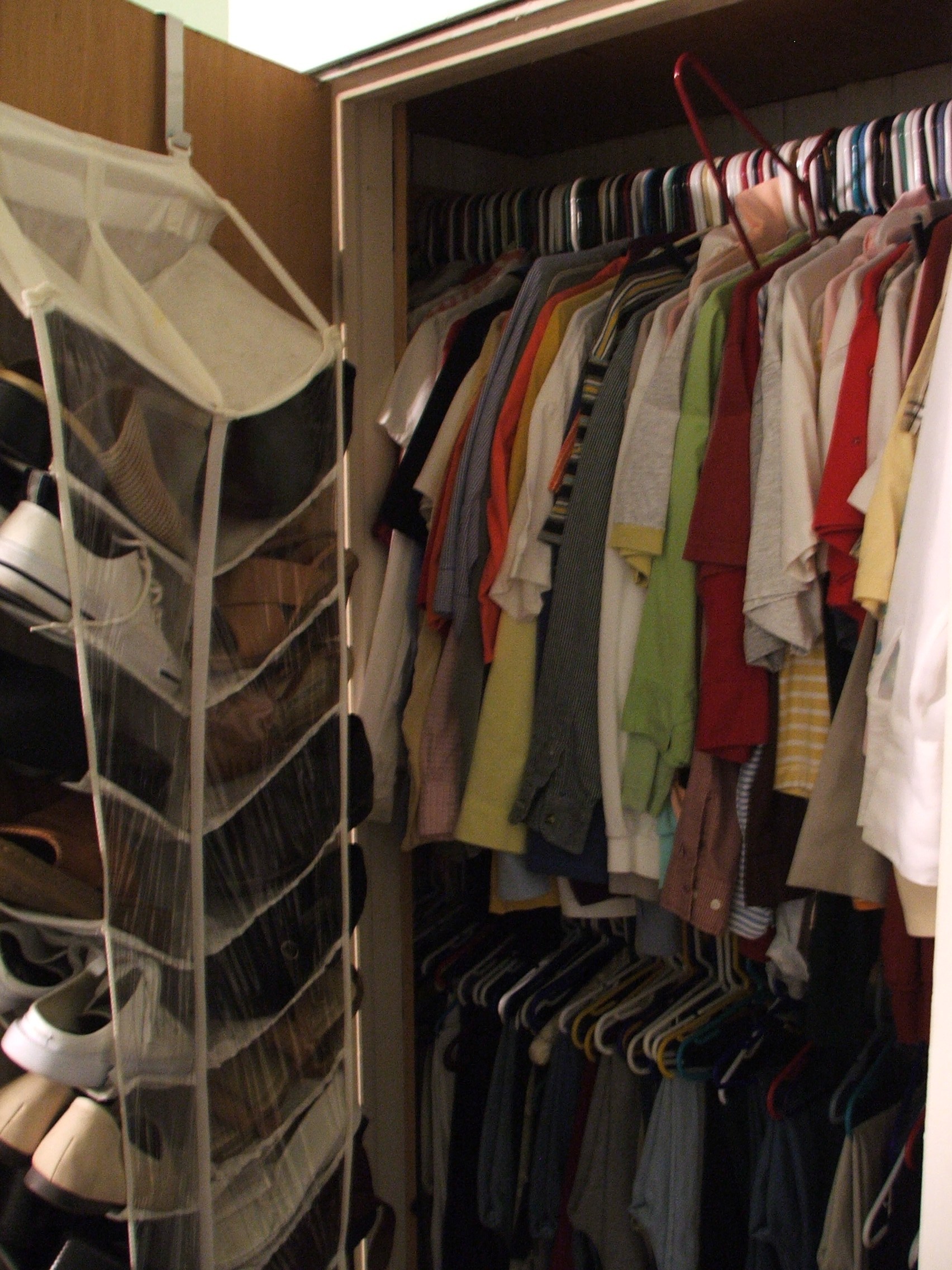
 Standing in front of the mirror I adjust the lapel of my jacket. This outfit is a little too professional. I take the jacket off and change from stilettos to loafers. Now it looks a little on the casual side. So I change the slacks for a skirt and put on a pair of boots. Now I look a little flouncy. I change the skirt to jeans, the blouse to a button up shirt and go back to the loafers. Now I look comfortable but fairly dressy. So I change the loafers to sandals and the shirt to a t-shirt.

The point is that changing from one genre to another is as simple as changing the style of outfit. You start with a basic plot story—main character with a goal, arch enemy throwing obstacles at the main character, and a conclusion of win it all or lose it all. To make it look like a certain genre you simply change an element or add a twist.

If you want romance, add attraction that cannot be ignored. If you want science fiction, add outer space and aliens or futuristic elements. If you want horror, add fear and blood. If you want western, horses and cattle and American wilderness are what you need. And if you want fantasy, you need magic. There’s even a genre called “main stream” for stories that don’t fit anywhere else. And it has become popular to mix the genres so that you get things like paranormal romance, psychological thriller, historical fiction.

So here’s your assignment for the week. Take one of your favorite fairy tales and dress it up in a different genre. You should get some surprising results.

Congratulations. You have just received a post card from the muse.

Nandy Ekle


The Partner


POST CARDS FROM THE MUSE

The Partner

“People disappear when they die. Their voice, their laughter, the warmth of their breath. Their flesh. Eventually their bones. All living memory of them ceases. This is both dreadful and natural. Yet for some there is an exception to this annihilation. For in the books they write they continue to exist. We can rediscover them. Their humor, their tone of voice, their moods. Through the written word they can anger you or make you happy. They can comfort you. They can perplex you. They can alter you. All this, even though they are dead. Like flies in amber, like corpses frozen in ice, that which according to the laws of nature should pass away is, by the miracle of ink on paper, preserved. It is a kind of magic.”                      — The Thirteenth Tale by Diane Setterfield

 You’ve written a masterpiece. The words flowed from the halls of your brain to your fingers and the story unrolled in perfection. Every symbol, every metaphor, every description is as shiny as a new penny lying on the sidewalk in the sun.

But what difference does it make? You push “save” on your computer, close the lid and lock your brilliance in the dark innards of technology. At this point you might as well have written nothing.

Along comes your partner. This is not a person who helps you do anything. This partner is not in on the brain storming or character naming, has nothing to do with the plot or setting, but they are every bit as necessary as your dictionary. This partner is your reader.

Without a reader, what are we writing for? Without someone to travel to your created world so they can fall in love with your created people and hope with them, endure with them, work with them, cheer or weep with them, what do any of our words mean?

Don’t be afraid to share your work with your readers. Send those stories off to be published so others can appreciate and enjoy the same journey you went through to bring the story out into the world.

Congratulations. You have just received a post card from the muse.

Nandy Ekle

Waxing Poetic


POST CARDS FROM THE MUSE

Waxing Poetic

The world is full of things that are similar and things that are very different and we like to compare things to get a better understanding of them. So we use similes and metaphors.

Similes are when we say that something is like something else:  Leaves fell like ideas all around me, but the wind blew them away before I could gather them together. This is a tool to use in description, but also works well for narrating and dialogue. It’s probably the easiest to  understand in symbolic language.

Metaphor is when we use one object to describe another as if it is the other object: When the thermometer broke the silvery liquid inside dribbled to the floor. As this liquid reached the floor, it didn’t make a puddle but beads. I tried to pick one up, but it became liquid and rolled away before I could pick it up.

Two images that mean the same thing, both poetic ways of saying the same thing.

What simile and metaphor can you use in your story telling?

Congratulations. You have just received a post card from the muse.

Nandy Ekle

The Cast


POST CARDS FROM THE MUSE

The Cast

Auditions are now open for your story. You need a cast of characters to carry this tale and it’s time to find them.

First we need a main character who normally is the protagonist. This is the person through whose view point we see the world. This person tells us thoughts and actions, intentions, and feelings. We want him/her to be the good guy and win in the end.

Next we need an antagonist, traditionally the bad guy. This character tries to stop the main character from reaching their goal, whether on purpose with diabolical evil or strictly by accident. This character can be someone who starts out one way then changes in midstream, or can be a person who never changes or wavers an inch while the protagonist grows and matures. The antagonist doesn’t even have to be a person at all but nature or even the protagonist against himself.

The fun begins when we mix it all up. Maybe our main character is not a good guy. Maybe our protagonist is really the bad guy and we use him to show the world the other side of the coin. And then the antagonist can be the one trying to thwart the bad guy.

I have heard some famous actors say that playing the bad guy in a play or movie is the most fun acting.

Open your imagination to the “what ifs” of the darker side of the world and have some fun.

Congratulations. You have just received a post card from the muse.

By Nandy Ekle

The Wizard


POST CARDS FROM THE MUSE

The Wizard

A recent series of young adult books has reminded me how fun it is to believe in magic. Can you remember the first time you watched the movie The Wizard of Oz? How about Cinderella or Willie Wonka and the Chocolate Factory? Remember sitting in front of the television and not even being able to blink your eyes as magical things happened to make scarecrow talk and pumpkins turn into carriages and little orange people mix chocolate by waterfall? And how did you feel when the words “The End” scrolled up on the screen?

Writing is that way. You know the story because you’ve listened to the characters tell it in their own words. Your job is to take the story they told you and find the magic words that will weave a spell around your reader and keep them glued to your words.

Stephen King uses the term “telepathy,” and that’s a very good description. But J. K. Rowling goes a little further and alludes to “a book that casts a spell that won’t let the reader put it down.”

The magic comes from words spun like a spell, winding around the reader’s eyes and pulling their imagination to the page. They can’t put the book down until the story ends, and then they turn back to the beginning and start over.

Look for magic all around you and the words will appear.

Congratulations. You have received a post card from the muse.

Nandy Ekle

Empty Halls


POST CARDS FROM THE MUSE

Empty Halls

“No! I don’t want to! You can’t make me!” Did you ever try to force a toddler do something? I’ve heard the expression, “. . . pushing a chain.” Or think about styling your hair when you only have so much time and even less talent. Maybe you’ve “herded cats.” Can you remember trying to pick up mercury that came out of a broken thermometer?

You know exactly what I’m talking about, don’t you—frustration at its highest, which leads to anger and depression and, finally, completely giving up.

Sometimes that happens with words too. You hear the voices whispering something juicy, something that you must write down and sign your name to. You know it has to be a whopper because why else would it keep running through your mind with so much energy? But when you open the door to get up close and personal with the shapes moving and whispering behind that curtain in your head, it vanishes leaving only the hint of laughter and a voice saying, “Fooled you!” Sometimes the words just won’t come out.

The way to beat this is to write anyway. So the words to a particular story don’t want to make an appearance; write words that do. I once read a profound quote: “A writer writes.”

Close your eyes and imagine what the inside of your imagination looks like. Imagine your characters locked behind cell doors. Imagine all the little story starters you have as patients laying on tables in a laboratory waiting for your special jolt of electricity to start them up.

If nothing else, write about the inside of your head.

Congratulations. You have just received a post card from the muse.

Nandy Ekle

Deliberate Randomness


POST CARDS FROM THE MUSE

Deliberate Randomness

The clouds lazily crawl across the sky. They look like big old cotton balls and you feel comfortable watching them while the white globs of fluff change and begin to take on shapes. The longer you stare, the more recognizable the shapes are. The shapes morph and become other shapes.

Later you’re sitting in the office waiting for your appointment. Looking down at the tile floor, you notice the flecks of color in the squares. They seem to be random, but after a minute or two, they begin to look like objects or people. You think you see a strange story in the floor.

Then you gaze across the room at the bookcase and notice the grain of wood. The swirls and peaks catch your attention and pretty soon you have another vision of something vaguely familiar.

Randomness is a hard concept to follow. There are patterns all over the place, especially where we least expect them.

Keep your eyes open to the most random spots in your world and see if a picture doesn’t arrange itself for you.

Congratulations. You have just received a post card from the muse.

Nandy Ekle

People Shopping


POST CARDS FROM THE MUSE

People Shopping

You sit at the table in the Food Court at the mall. After a morning spent shopping in the carnival-like atmosphere, you just need to sit for a minute.

Look at the people around you. You see store clerks on break taking off their professionally styled pumps to allow their feet to breathe. You see young mothers pushing strollers and leading pre-school children behind them. You see teenagers not in classes. You see couples walking close together, or herding small children. Or maybe you see people walking at a fast pace against the wall all around the mall to get their exercise.

What you should see in all this activity is a goldmine of characters. Allow yourself to wonder about their names, their careers, pasts, presents, futures. Let their faces become part of your character files. Imagine inviting someone to sit next to you and gently interview them. You can go back later and decide where they fit in your story and the details about them that did not come out right away.

And always ask yourself, “Are they really what they seem?”

Congratulations. You have just received a post card from the muse.

Nandy Ekle

Message From Mundania


POST CARDS FROM THE MUSE

Message From Mundania

Life, moving slowly, as if the same day repeats over and over and brings to mind a phrase from the days of Flower Children: What a drag.

You get up in the morning, rub your eyes, wash your hair and drink your coffee. You go to your jobs or classes, work a while, eat your lunch, work a while, go back home. You eat supper or dinner—whatever you like to call it—turn on the TV and settle for the night. And it all starts over the next day.

But what we forget are the little adventures we have every day, you know, the little things that are different about a day. The postage machine hijacks the fax machine, the client forgot to send in the payment, or a black plastic bag scoots across the highway and reminds you of an alligator coming after your car. Once, just breaking the promise to myself that I would not eat my favorite snack that day brought a very nice story.

When something happens just the teeniest bit out of the ordinary, whether it’s frustrating or hilarious, you can write an entire story centered on this event. Let your imagination ponder and study it. Then add in some exaggeration to what you already know about the event. You’ll soon find that your ho-hum life is full of story-worthy adventures and “boring” will be for people like detectives and spies.

Congratulations. You have just received a post card from the muse.

Nandy Ekle

My Favorite Toy


POST CARDS FROM THE MUSE

My Favorite Toy

The sun seemed to make an audible pop as the light poked through my bedroom window. My four-year-old eyes sprang open and the world was brand new. Grabbing my doll, I looked into her plastic face and watched it transform to real flesh as her eyelids blinked at me.

As an eight-year-old girl I hopped on my bike and rode around the neighborhood with the feeling that I was the lead rider in a huge bicycle race. The wind blew my hair behind me and the sun browned my skin.

At the age of ten I played on my keyboard in front of the enormous audience that had come to my bedroom to listen to my rendition of the songs in my music book.

And every night when the sun went down, I took my bath and then stood in front of the mirror arranging my towel into every style of formal gown I could invent.

The best toy I ever owned never had a storage box and could never be stashed in a corner because there was nothing that could ever contain it all at once. And of course I’m talking about my imagination.

Let your imagination out to play and your stories will write themselves. Allow the magic to move your pen across the paper and you’ll find your writing zone in no time. And I know from experience that you will be as surprised with your characters and story as your readers.

Congratulations. You have just received a post card from the muse.

Nandy Ekle