Writing Endorsements


Writing Endorsements

By Rory C. Keel

Ask for endorsements from readers that enjoyed your writing. Simply say something like, “Would you provide me with a positive comment I could use as a testimonial for my book?”

Use the positive comments as headlines for your writing on your website and other promotional materials such as bookmarks and brochures.

Take note of unsolicited positive comments and remarks about your writing in e-mails and personal conversations. If individuals say something positive about your writing, ask to quote them.

Collect testimonials in a notebook and you will have them readily available when promoting your writing, stories and books.

Realize that testimonials from your readers will generate excitement and create interest in your work and draw more readers for your material.

ENDLESS POSSIBILITIES


Reasons to Write

By Rory C. Keel

Why do I write? Is it because throngs of fans demand it, anticipating every word of my next masterpiece? Is it because I honestly expect to make millions of dollars on a bestseller, or desire to be famous? No.                                                                                                                                                                                   

Endless Possibilities                                                    

On a recent business trip to the west coast, I noticed something amazing. Traveling along the highway, I read the billboards. Some of them knew I was reading them and said things like, “Caught you looking!” or “You’re so good. You read me like a book!” As spots on a connect-the-dots drawing, these towering advertisements had information about the grandest hotels, motels and the cleanest restrooms. They pointed the way to the best buffets and restaurants. Some revealed the places to go for the nightlife, and what it will cost if you drink too much of the highlife and turn into a lowlife while driving.

Occasionally we pulled into roadside rest-stops for short breaks and “free coffee,” and then we would load up on all the local vacation magazines, free maps and tourist information to read along the way. One visitor’s guide said that Arizona has more boats per capita than any other state in the nation—and they’re a land locked desert!

My point is that the possibilities for writers are endless because writing is everywhere. From billboards along the American road to epic novels, behind everything you read is a writer.

roryckeel.com

Anthologies a Good Place To Start


Anthologies a Good Place To Start.

by Natalie Bright

While you’re working on the novel have you thought about submitting a few short pieces to build your pub clip file and boost your ego?

Our critique group, WordsmithSix, came together in part from connections made through a local writing organization to combine with an existing group who lost several members, and through long time friends and new neighbors. We’ve been meeting since 2009.

We began with a common goal—get published. We’ve consistently produced, read our work to the group, revised (and revised some more), and submitted. Between us we’re now multi-published across several genres in short stories, inspirational, devotionals, and kid lit. Since 2010 we became active bloggers. Each success motivates us to keep writing. Every meeting inspires us to work harder.

Which brings me to the point of this blog. I’d like to share a few of our recent works with you.

The Least He Could Do And Eleven Other Stories

Featuring Miss Bitsy by Nandy Ekle

From StoneThread Publishing comes an eclectic collection of twelve short stories. At times you’ll laugh out loud, and at times you’ll have to stop reading to let your heart calm down. This edition includes a story from WordsmithSix member Nandy Ekle. Miss Bitsy tells the tale about a kindly neighborhood grandmother who isn’t all she appears to be. This story gave me chills when I first read it in critique group, and I’m thrilled that it’s out there for everyone to enjoy. Way to go Nandy!

The Least He Could Do And Eleven Other Stories 51xt5BNVf3L._BO2,204,203,200_PIsitb-sticker-arrow-click,TopRight,35,-76_AA278_PIkin4,BottomRight,-64,22_AA300_SH20_OU01_

Chicken Soup for the Soul: Inspiration for Writers

Featuring The Challenge by Rory C. Keel
Features 101 Motivational Stories for Writers. Sometimes we need to be challenged to write, and this would make a great gift for those special writers in your life. This edition features The Challenge, by WordsmithSix author Rory C. Keel.

Chicken Soup for the Soul: Inspiration for Writerscss-inspiration-for-writers-2

West Texas Christmas Stories

Featuring A Cowboy’s Christmas Blessings by Natalie Bright

An anthology of more than 30 Christmas stories–short and upbeat, set in West Texas or by West Texas writers including Elmer Kelton and John Erickson. You’ll laugh out loud at the clever piece by editor Glenn Dromgoole about a holiday fruitcake, while other stories will evoke warm memories about past holidays.  My story, A Cowboy’s Christmas Blessings, was inspired by the cowboys and their families who live and work on Texas cattle ranches. It’s an age old tradition and a proud heritage that continues today.

Texas Christmas Stories west texas christmas stories

Remember, books make great gifts!

www.nataliebright.com

Three Tenses


Three Tenses

By Rory C. Keel


Here is a reminder of the common tenses in writing.

Past Tense

The most common tense used in most writing.

Example: “I was late.” “Carol jumped when she saw the rat.”

Present Tense

Used occasionally in prose but more common in poetry.

Example: “She is very busy.”

Future Tense

Less often used in fiction and poetry, however it is permissible.

Example: “The dog will stand on its hind legs.” “You are going to be hungry.”

 roryckeel.com

Making a Transition


Making a Transition

By Rory C. Keel

Have you ever felt the need to write every minute detail in order to transition between a situation, image or scene? You know, the insignificant information that ends up getting cut during rewrites? The words that took so much of your precious time, because you felt you had to “fill in the gap” to get to the next idea?

Too much filler can diminish the impact of the previous idea, or bog the reader down so they lose interest going into the next scene.

Here are a few simple fixes that can help.

First, you could start a new Chapter.

Secondly, Skip a line and start a new paragraph. The extra space indicates the start of a new scene. Simply leave the filler out.

Thirdly, use a transitional word or phrase, such as “Meanwhile…” or “the next day…” or even “when he opened his eyes, everything had changed…”

Fourthly, Use common traits in two different objects, for example, “The frost on the window reminded him of the ice that ran through her veins. She was cold, but not because of the weather.”

Remember, transitions should be simple, direct and crisp advancing the reader to the next scene or idea.

roryckeel.com

He’s still playing


He’s still playing

By Rory C. Keel

yAfv2Yz

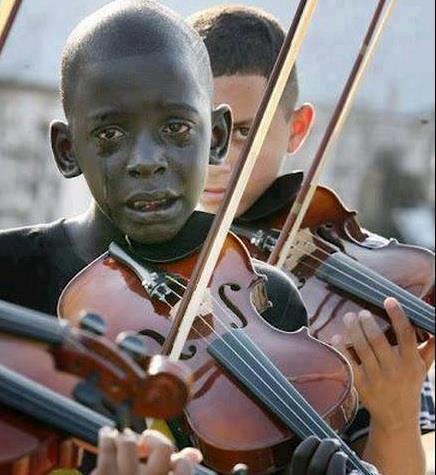
Recently I ran across a post on Reddit and felt compelled to write something about the picture of this boy playing the violin. What does this have to do with a writing blog? Consider it a writing exercise.

Diego played his violin. With each pull of the bow across the strings his chin trembled and tears spilled from his eyes. But Diego played.

The twelve-year-old boy held the instrument in his hand as if it were his life. Born in the slums known as a favela, a Brazilian squatter settlement, Diego lived there until Evandro da Silva rescued him and taught him to play the violin.

Diego suffered from leukemia, yet his fingers moved with grace, and with a purpose as he performed the most mournful song his violin had ever made. He still played.

His music teacher, Evandro da Silva, the coordinator of the musical group Afro-Reggae, was assaulted and killed by a gang in Rio de Janeiro in October of 2009.

At his mentor’s funeral Diego’s tears washed down across the surface of his violin as he played, but he kept playing.

His teacher had given him a gift; Evandro had taught Diego and several other kids how to play musical instruments and they would use that talent to raise donations for other sick kids.

In March of 2010, only five months after playing at his teacher’s funeral, Diego died during a medical procedure related to his leukemia. At twelve years of age his tears had stopped, but I’m sure Diego is still playing.

roryckeel.com

Photo published in Zero Hora

The First Words


The First Words

By Rory C. Keel

The first words on the page are often the most difficult to write. The number one problem is usually deciding the first word. And many times the first word may be the only word you write for the day.

Motion and Promise

One quality of a good novel or story is the feeling of motion in the opening. The paragraph should offer a promise that your story has life and will stir the reader forward

The very first lines should pull the reader into the story. By the end of the first page the reader should be caught up in story and carried forward.

If the beginning of a story is difficult for you, just begin writing your story and somewhere around fifteen to twenty pages the true opening will appear.

roryckeel.com

Shorts and Fillers


Shorts and Fillers

By Rory C. Keel

Have you ever had a salad as an appetizer before a meal? You may have asked a house salad for a side dish or placed an order for a salad as the main course. What does this have to do with writing? Well, writing shorts and fillers are like salads. Writing a small filler or short can give you a writing appetite or it can be your main course.

Fillers are everywhere. They are short writings, usually less than 250 words that vary from devotionals to book reviews, short how-to pieces, cartoons, recipes and even children’s proverbs and cartoons.

Shorts may include columns, opinion pieces, nostalgia, and personal experience stories usually fewer than 1000 words.

If you are looking for ways to get your name in print, or you just need a diversion from a longer piece of work, writing a filler or short may be what you need.

roryckeel.com

Shorts and Fillers


Shorts and Fillers

By Rory C. Keel

Have you ever had a salad as an appetizer before a meal? You may have asked a house salad for a side dish or placed an order for a salad as the main course. What does this have to do with writing? Well, writing shorts and fillers are like salads. Writing a small filler or short can give you a writing appetite or it can be your main course.

Fillers are everywhere. They are short writings, usually less than 250 words that vary from devotionals to book reviews, short how-to pieces, cartoons, recipes and even children’s proverbs and cartoons.

Shorts may include columns, opinion pieces, nostalgia, and personal experience stories usually fewer than 1000 words.

If you are looking for ways to get your name in print, or you just need a diversion from a longer piece of work, writing a filler or short may be what you need.

roryckeel.com

Shorts and Fillers


Shorts and Fillers

By Rory C. Keel

Have you ever had a salad as an appetizer before a meal? You may have asked a house salad for a side dish or placed an order for a salad as the main course. What does this have to do with writing? Well, writing shorts and fillers are like salads. Writing a small filler or short can give you a writing appetite or it can be your main course.

Fillers are everywhere. They are short writings, usually less than 250 words that vary from devotionals to book reviews, short how-to pieces, cartoons, recipes and even children’s proverbs and cartoons.

Shorts may include columns, opinion pieces, nostalgia, and personal experience stories usually fewer than 1000 words.

If you are looking for ways to get your name in print, or you just need a diversion from a longer piece of work, writing a filler or short may be what you need.

roryckeel.com