The Perfect Writing Space


The Perfect Writing Space

By Natalie Bright

The second blog post I did for WordsmithSix Blog, I talked about my perfect writing space: our lovely home office. It should have been the perfect place to dream, imagine, explore words, and create. When it came to the work in progress, I couldn’t write a darn thing in that room. Instead, the kitchen table called out to me. I watched my world as I wrote: the kids were much younger, food simmered on the stove, and the dogs peered at me through the window.

Years later WordsmithSix has grown to almost 500 subscribers (thanks everybody!), and I’m writing in a new space.

Luckily, I’ve been able to cut my day job hours which allows me more time to write. In the office space that we share with my in-laws, I’ve taken over my mother-in-law’s office. It hardly seems possible that she’s been gone almost ten years. She was one of the sweetest people I’ve ever known. Material wealth had absolutely no meaning to her. She was never interested in fancy clothes, shoes, or filling her home with stuff. Instead, her collection of Stephen King and Dean Koontz hardbacks were her pride and joy. She loved a good horror story. Cooking a huge meal for her family or proudly showing me the first prefect rose on the bush that she had grown from a dead twig where her rewards. This was where she did the books for their real estate business, and where my kids sat on her lap to play computer games. She kept a pile of trucks and legos in the corner.

The memory of her quiet presence reminds me that this was always her office, which is why we haven’t used it until now. It has been transformed into my ordered chaos. Stacks of edited manuscripts, research notes, and books that cover every available space. I don’t have to be orderly or put anything away, and it’s wonderful. I look forward to work every morning and can hardly wait until my hands are on the keyboard.

As for the kitchen table, it’s back to being a table in the kitchen. The home office has been taken over by our high school aged son who has embraced the online gaming community.

I guess the point of this blog is this: be YOU, create when and where you can, and realize that crafting words is a complicated, joyous process that we shall never understand.

What about you – has your perfect writing space changed from time to time?
Back To Basics


POST CARDS FROM THE MUSE

Back To Basics

Think back to the first thought you had of writing. I’m not talking about the assigned theme about how you spent your summer vacation. I’m not talking about the essay explaining photosynthesis. And I’m not talking about the lines you may have had to write declaring that you would not talk out in class.

What I am talking about is the little paragraph you put together about who said what during lunch. Think about the notes you wrote your friends telling them the latest gossip. Remember the stories you told each other during PE and recess.


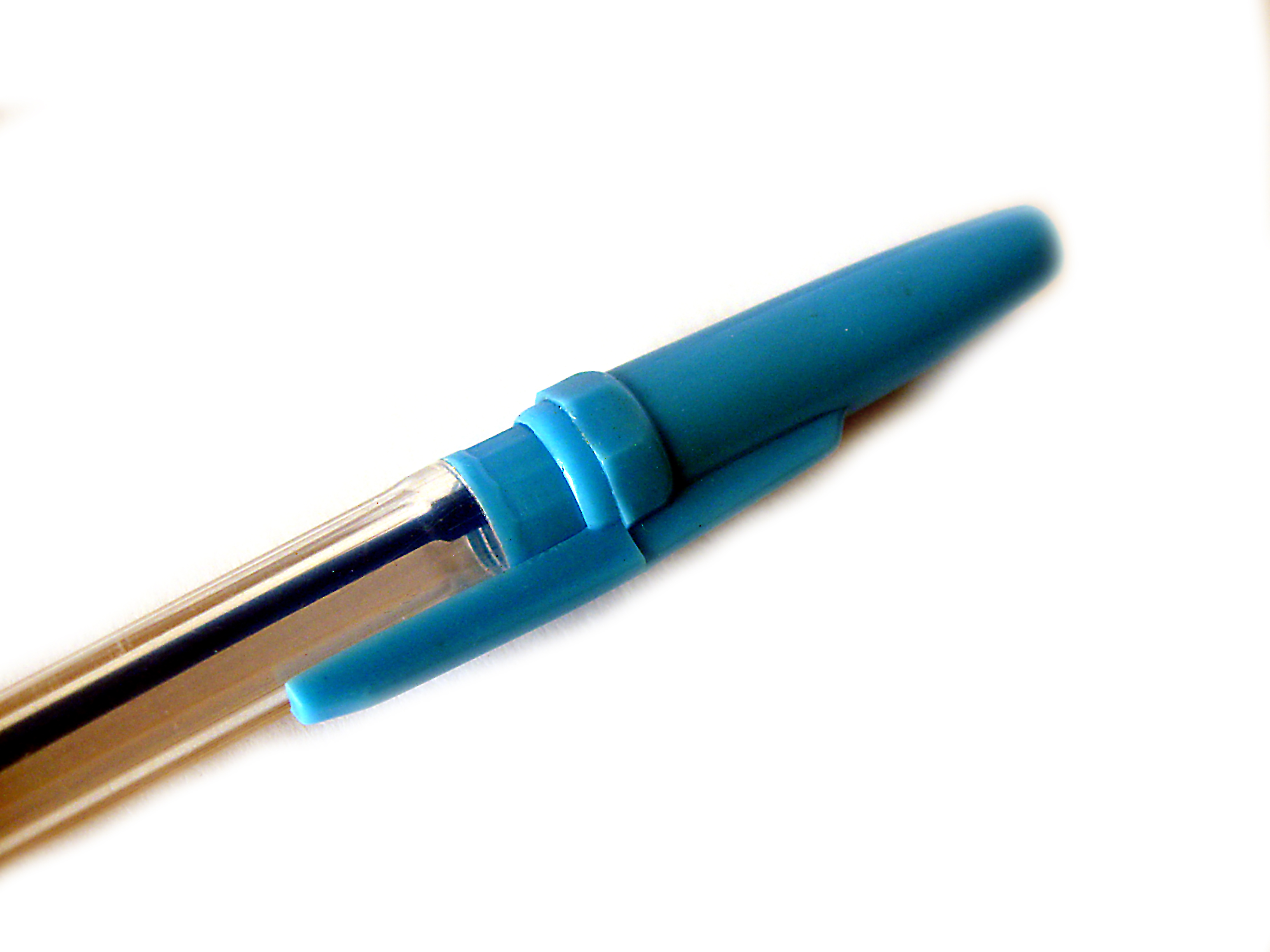
Sometimes the best inspiration is where it’s always been, at the beginning. One of the things that used to really stir the story pot in my head was a blue ink pen and a brand new Big Chief Tablet. That was definitely one of the most thrilling things in the world. I could take that medium point pen and the paper with the newsprint texture and whole new worlds full of interesting people opened up. The beautiful blue ink nearly jumped from my pen onto the tablet forming words and sentences, paragraphs and pages. I never experienced a stuck moment as long as I had those tools.

What brought the writer out in you? Did you have a certain favorite paper and ink color? Was it a favorite song? favorite character? a fun assignment? Did you and your friends share stories back and forth? Whatever it was, find it again and feel the magic start all over again. I can almost guarantee that your words will make their way through that blockade that has caused them to huddle in a corner waiting to be pulled out and put down on that page.

Congratulations. You have just received a post card from the muse.

Nandy Ekle

Starting Over


Outtakes 254

Starting Over

by Cait Collins


What do you do when you discover the original premise of your story no longer works?

Simple. You start over. That doesn’t mean you scrap everything . Instead you junk what is no longer applicable. For example the nasty brothers no longer have a purpose in the story. Their one scene is trashed.

But what about the PI? He stays, because I know exactly how he fits. And he will play a major part. And the prologue stays. I have to set the basis for the action. There’s the television scene that stays, for now. I’ll also keep the meeting with the mother Sean does not remember. I like that part.

The basic scenes I’ve written are the snippets of the story. Having mentally edited some scenes, I’m in a better position to move forward. You see, this story is a challenge. My previous novels have been about four hundred pages each. I’m attempting to write shorter novels of about three hundred pages. That’s about 25,000 fewer words. My fear is that I will sacrifice plot for fewer pages. But I will keep on because I like my characters and my plot. I just have to get rid of the dead weight.

The Scrivener Corkboard


The Scrivener Corkboard

By Rory C. Keel


The Scrivener writing software by literatureandlatte.com, has a wonderful feature for those who love to storyboard called Corkboard. The way to get to the Corkboard is to first open Scrivener and look in the tool bar for a section called “Group Mode,” It looks something like this picture.

Untitled

Now click on the middle button of the three. This should put you into the Corkboard.

In this view, you can find options for your Corkboard in the right-hand corner at bottom of the page. It will look something like this.

cb2

With these buttons you can change the view from “arranged” placement of the cards to the “freeform Corkboard” which allows you to move each card around to change their order.

You will also notice a third button allowing you to set the Corkboard options, such as the size of card, card ratio, spacing and number of cards across the Corkboard.

Another way to access your Corkboard cards is through the “Inspector” button at the top right-hand corner of the tool bar.

scriv3

With a click of this button, the Inspector will open on the right–hand side of your screen and contain note sections including your Corkboard notecard. By pressing the notecard button in the inspector view, you can toggle between the notecard or a picture section.

scriv4

For even more adjustments to your Corkboard, in the Scrivener tool bar, go to the word Scrivener > Preferences > Corkboard.

scriv5

In the tool bar of this view, click on the Corkboard and you can adjust your board background colors and patterns, card line colors, fonts etc…

I hope this helps you use the Corkboard and get more out of the Scrivener writing program.

Where is a Book Born?


Where is a Book Born?

By Natalie Bright

For bestselling author Jodi Thomas, it begins with a walk on the land where her story is set. Here’s a link to a video that explains her process.

https://www.youtube.com/watch?v=sG4IeXueJDA

The pictures were taken by me during the Spring and Fall roundups on our cattle ranch located in the Texas Panhandle, where she has done most of her research. Hope this inspires you!

For more information about Jodi Thomas and her Ransom Canyon series, go to jodithomas.com

Left Behind


POST CARDS FROM THE MUSE

Left Behind

By Nandy Ekle


From the outside the building stands tall and quiet. It’s been there for nearly a century, resting, as it slides back to the earth. The windows are dark, the brick is crumbling, and the doors are tagged with graffiti.

As I stand on the doorstep, the oppressive heat consumes the air and I feel as if I am suffocating. I reach up to wipe sweat from my brow and the door on the bottom floor of the old building clicks open.

Peeking inside I find a room with no furnishings whatsoever. The concrete floor is covered with plaster which has fallen from the sheet rocked walls. All around is gray, except the spots directly across from the dusty windows. These spots sport bright sunlight which magnify the dust motes floating through the space.

I turn and walk deeper into the building. The heat is just as harsh without the benefit of a breeze. However, there seems to be plenty more air than existed outside, but the mustiness causes couches to bubble up from my lungs.

The first sight I had of the dark and dilapidated room was that of ancient decay. But then I see movement in the far corner of the room. I follow the line of sight and notice the only color in the place, the only sign of life present.

A single red balloon floats ten feet high as its string descends to the dirty gray floor.

Now, Dear Blog Follower, your job is to finish the story. How did the balloon get there and what does it mean?

Congratulations. You have just received a post card from the muse.


Author Intrusion


Author Intrusion

by Adam Huddleston


The literary device we will be discussing this week is: author intrusion. It is not commonly seen nowadays as it has fallen out of favor. It is defined as the practice of having the author cease telling the story and directing the prose towards the reader. This changes the perspective from first or third-person to second-person.

This technique may be used to reveal specific plot points to the reader that may otherwise be unknown to the protagonist. I personally have never used this device, but its inclusion in your writing may help change things up a bit.

Happy writing!

Just Right


Outtakes 253

Just Right

by Cait Collins


I believe in doing my research when writing a story. In fact, I drop a bundle in Barnes and Noble with nearly every manuscript. In my current work 3×3, my hero is a gemologist and jewelry designer. So naturally I can’t have him facet a gemstone that is normally cut and set as cabochons. Nor can he purchase a green colored gem that is not found in green. Of course, I enhance my knowledge by studying cutting, settings, wax carvings, gems and their localities. But do we reach a point in research where too much knowledge detracts from the story?

For example, would the reader be more satisfied with the description of the finished product or does he want the step-by step process from the design to the showroom? Let’s face it, if I began describing the time spent either at a drawing board or computer painfully creating the drawing, then the wax carving, cutting, faceting, and polishing the stones, a reader would put the book down and wonder if he could get his money back. In fact, too much knowledge leaves little to the imagination. I would rather visualize the design than plough through its creation.

At times too much knowledge can lead to over-thinking which can lead to characters without emotions or with exaggerated emotions. They are no longer real. And the reader cannot relate to them. Without a relationship between the reader and the characters, there is no story.

Using our knowledge of a subject and applying our research is akin to Goldilocks and the three bears. Papa bear’s soup was too hot and his bed was too hard. Mama bear’s soup was too cold and her bed was too soft. Baby bear’s soup and bed were just right. Yes, knowledge adds to a work, but we must be careful to keep these details “just right”. Not too much or too little, but that fine mix that keeps the story on track and adds flavor to the work.

Ok, Where’s the Title?


Ok, Where’s the Title?

By Rory C. Keel


Many good projects have been written with a “working title”. That’s a temporary name given to your piece while you are still working on it. When the writing is done, you will want to give your masterpiece the perfect permanent title. Often, this can be more difficult than completing the actual piece of work.

When choosing the best title, consider these two basic points.

First, the title needs to fit within the theme of the story or work. Consider using the name of a person, place, or thing within your story. A specific kind of action that takes place in your writing could even make a good title.

Secondly, make the title easy to remember. While there are works that carry long titles, the shorter it is, the easier it is to remember. One exercise to help with this is to try and describe your story in one word. Can you do it? Consider the theme, the action, think about the people, places and things and boil the idea down to one or two words.

With this basic formula, you can have the perfect title.

#amwriting Despite Myself


#amwriting Despite Myself

By Natalie Bright

Self-doubt. I hate when that snarky voice in my head creeps into my work about the time I’m gung-ho in the middle of a new project. The fear of judgment. Is this good enough? Will this book appeal to readers? I can’t write this.

Sometimes it’s impossible to type THE END because of my self-doubt and the battle raging within my own mind. Its so senseless and aggravating, causing your daily word count to come to a screaching halt. Does that ever happen to you?

“Now that I have given myself permission to let the raw side of me loose on the page, I’m finally finding my true voice.” So admits Joanna Penn in her book

THE SUCCESSFUL AUTHOR MINDSET:

A HANDBOOK FOR SURVIVING THE WRITER’S JOURNEY.

I want to share these words with WordsmithSix peeps and how this book has re-energized my goals in regards to my writing. I keep reading the highlighted portions over and over. Ms. Penn covers all of the horrible things that crowd our mind when we should be using that brain power and creative energy to write. She gives readers a glimpse of her own struggles by sharing portions of her personal journals.

Ms. Penn states the problems most writers face and the antidote in clear, concise common sense language. It’s an eye opening read for any writer and a must for every writer’s reference library.

Find out more at the thecreativepenn.com