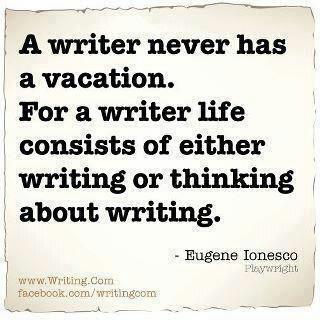
NO VACATION!

Image


writers-quotes-story-writing-34823004-320-320

I wonder how they used to do it?


I wonder how they used to do it?

Rory C. Keel

I thought I would write a few observations. We are surrounded by such a diverse assortment of super technology. For example, we have smart phones that are so powerful they can interrupt a personal, face-to-face conversation with an individual, and allow us to talk, text and send pictures simultaneously around the globe to multiple unseen individuals.

Computers are now a way of life. They check our spelling and grammar and make learning the many beautiful loops of cursive penmanship once taught in schools obsolete. And what is a pen anyway?

We sit in dark rooms like hermits, wearing our pajamas,  tangled hair and unshaven, and faces with no makeup, and with the push of a button circle the globe. We gather information on places we would love to go, and things we want to do–if we ever got dressed and left our home.

The sun is no longer needed to determine which direction is north, south, east or west. Grown men who stubbornly refuse to listen to their zealous wives give them directions will react, without hesitation, to the soft and sultry female voice of a GPS system, accepting every command without question.

With vehicles that can automatically parallel park, the useful skills needed in backing automobiles are forgotten, and the rearview mirror that automatically adjusts to the lighting, is relegated to review our hair, lipstick, or to check for pimples.

The aeronautics industry is also awe-inspiring. The kid down the block that used to chase the other children, dive-bombing them with his remote control airplane, is still in his backyard chasing the Taliban on the other side of the world with remote war drones.

Speed has not always been a friend to avionics. The world’s fastest commercial passenger jet, the Concord, is now retired. The expense of chasing itself around the world was too high. Crossing the International Date Line, it could arrive at its destination tomorrow, and come back yesterday.

The truly amazing thing about all the technology that we experience today is that it causes us to ask questions. But the most frequent question I hear today is not, “How will we do things in the future?” but, “I wonder how they used to do it?”

As an exercise, write about a few things in your past that have changed.

Roryckeel.com

Sunday Writings


“You can make anything by writing.”

C.S. Lewis


I wonder how they used to do it?


I wonder how they used to do it?

Rory C. Keel

I thought I would write a few observations. We are surrounded by such a diverse assortment of super technology. For example, we have smart phones that are so powerful they can interrupt a personal, face-to-face conversation with an individual, and allow us to talk, text and send pictures simultaneously around the globe to multiple unseen individuals.

Computers are now a way of life. They check our spelling and grammar and make learning the many beautiful loops of cursive penmanship once taught in schools obsolete. And what is a pen anyway?

We sit in dark rooms like hermits, wearing our pajamas,  tangled hair and unshaven, and faces with no makeup, and with the push of a button circle the globe. We gather information on places we would love to go, and things we want to do–if we ever got dressed and left our home.

The sun is no longer needed to determine which direction is north, south, east or west. Grown men who stubbornly refuse to listen to their zealous wives give them directions will react, without hesitation, to the soft and sultry female voice of a GPS system, accepting every command without question.

With vehicles that can automatically parallel park, the useful skills needed in backing automobiles are forgotten, and the rearview mirror that automatically adjusts to the lighting, is relegated to review our hair, lipstick, or to check for pimples.

The aeronautics industry is also awe-inspiring. The kid down the block that used to chase the other children, dive-bombing them with his remote control airplane, is still in his backyard chasing the Taliban on the other side of the world with remote war drones.

Speed has not always been a friend to avionics. The world’s fastest commercial passenger jet, the Concord, is now retired. The expense of chasing itself around the world was too high. Crossing the International Date Line, it could arrive at its destination tomorrow, and come back yesterday.

The truly amazing thing about all the technology that we experience today is that it causes us to ask questions. But the most frequent question I hear today is not, “How will we do things in the future?” but, “I wonder how they used to do it?”

As an exercise, write about a few things in your past that have changed.

Roryckeel.com
Stay Inspired


Stay Inspired 

Rory C. Keel


When I began my journey as a writer, I jumped in head first with an attitude of seeking to learn. I started reading how-to books and any instruction manual I could find. I set out to follow all of the rules to the letter and hope for success. I made a considerable effort to attend and get involved in local writing groups and conferences. Over the years, I picked up valuable lessons from other authors and publishers.

Thinking back on my involvement in these things, it felt that writing came a little easier then than now.

What’s different?

Attitude is the difference. When I surrounded myself with writer-ly people and places, my mind stayed focused on writing.

While it may have felt like it took time away from putting words on the page, I actually wrote more.

I challenge you to write more by continuing to learn from others and stay inspired.

Stay Inspired


Stay Inspired 

Rory C. Keel


When I began my journey as a writer, I jumped in head first with an attitude of seeking to learn. I started reading how-to books and any instruction manual I could find. I set out to follow all of the rules to the letter and hope for success. I made a considerable effort to attend and get involved in local writing groups and conferences. Over the years, I picked up valuable lessons from other authors and publishers.

Thinking back on my involvement in these things, it felt that writing came a little easier then than now.

What’s different?

Attitude is the difference. When I surrounded myself with writer-ly people and places, my mind stayed focused on writing.

While it may have felt like it took time away from putting words on the page, I actually wrote more.

I challenge you to write more by continuing to learn from others and stay inspired.

Pressing On


Pressing On 

Rory C Keel

Today I’m spending time reassessing last year’s writing goals.

I have made it a custom to take the time at the beginning of each year to evaluate my writing and see where I accomplished my goals, and examine where I fell short of my expectations.

I confess—I failed to meet ALL of my goals.

While this may seem like defeat to some, it really isn’t. The truth is, I did exceed some goals and didn’t reach others. My novel is not finished, but my goals of submitting other works were achieved and rewarded with paid publication.

This year I will set my writing bar high and reach for it, and any goals not met will be closer and easier to reach the next time.

My number one Goal is to finish my novel. Secondly, is to submit ten smaller pieces of writing to various publications. Thirdly, there is a need to constantly improve in the writing craft. So, I will read and study at least one book on writing and attend one or more presentation on writing.

So, I’m pressing on.

PROMISES, PROMISES


PROMISES, PROMISES

Rory C. Keel 

Can you make a promise? As a writer, a promise creates excitement, suspense and develops an appetite that pushes the reader to satisfy their curiosity. Promises drive the reader into the book to find out how the promises made, will be kept.

One way to make a promise in writing is to make a direct promise. A direct promise is where the writer draws the reader in and then immediately fulfills the promise before making another one.

A second way is to make an interlinking chain of promises. Before one promise is delivered another one is made. New promises are constantly being added before old ones are kept. In this way the promises are interlinked holding the readers interest.

So this year, make some promises in your writing.

Stockpile People


Stockpile People

By Rory C. Keel


A writer needs to have a stockpile of people. No, not like in the movie Texas Chainsaw Massacre, but a file full of descriptions, characteristics and quirks of real people.

The truth is that all characters are based somehow on actual people. Think about it, even the characters you invent are based on elements taken from real people. The people you place on the page come from someone that you, as the writer, have seen or come in contact with, either personally or by hearsay.

The Gathering

To place these characters on your page, you must own them, every part of them the good, the bad, and the ugly. To do this you need to try and understand real people. Interact with them, watch them and observe their condition in life. When you finally know them, they are yours. Gather them up and stockpile them by writing them in a file. They will be glad to repeat their behaviors on the pages of your writing.

Roryckeel.com 


ARE YOU AFRAID TO FLY?


ARE YOU AFRAID TO FLY?

by Rory C. Keel 

It’s amazing that so many people have a fear of flying. Several years ago, while on a plane from Saint Louis Missouri to Portland Oregon, I remember boarding and seeing a man who looked as pale as death. He took his seat across the aisle and immediately buckled the seat belt, grabbed the armrests and shook so violently I wondered if it was the engines or him shaking the plane. After sedating himself with a couple of adult beverages, he slept soundly to our destination.

While I have never been afraid to travel in an airplane, I have experienced a fear of flying. Realizing I would never pilot an F-16 fighter jet, I turned to the hobby of remote control airplanes.

After what my wife called “investing heavily” in a kit, I began to build my first R/C airplane. For days I trimmed every piece of wood with the skill of a surgeon to the exact specs. For weeks, I placed every drop of glue precisely in the correct spot, as to not change the balance of the plane. And after months of careful tune-ups on the engine and electronics, along with a few instructions from others to assure that my plane would soar with the eagles, fear took over.

What if it crashes? All that hard work and time will have been in vain.

On my first solo flight, I rolled the plane down the tarmac and lifted off. A feeling of accomplishment flooded over me as I made one pass, then another over the stands. Not wanting to run out of fuel and lose the plane, I made the approach to land. That day I witnessed the most horrific sight—in front of me laid splinters of wood, pieces of plastic and shards of metal. I crash-landed my plane.

In writing, there are moments when we are afraid to submit a piece of work, fearful of rejection. We work on a piece until it is perfect then, “WHAT IF” takes over. What if it’s rejected? What if it was a waste of time because no one likes it?

The good news is that my first plane did finally soar. I learned that my time wasn’t wasted at all. In all the hours of building I had learned how to repair the broken plane, and after adjusting the mistakes I made in the landing approach, confidence took control.

Yes, I have letters of rejection for my writing, however with repairs and a few adjustments, those same pieces have been published.

Don’t be afraid to fly!

Roryckeel.com